
How often should you get an eye exam? Many people assume they only need to see an optometrist when their vision changes, but regular eye exams play an important role in protecting both your eyesight and your overall health. At Tyhee Optometry in Smithers, patients are often surprised to learn that eye diseases can develop without noticeable symptoms in the early stages.
According to guidelines from the Canadian Association of Optometrists, eye exam frequency depends on your age, health history, and risk factors. Regular comprehensive eye exams allow optometrists to detect vision changes, monitor eye health, and identify signs of conditions such as glaucoma, macular degeneration, diabetes, and high blood pressure often before symptoms appear. In this article, we’ll explain how often Canadians should have their eyes checked and why staying on schedule is one of the simplest ways to protect your vision long-term.
What Is a Comprehensive Eye Exam?
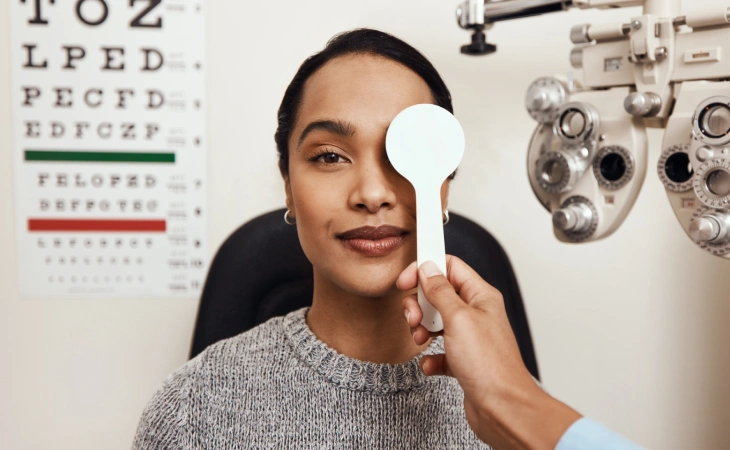
A comprehensive eye exam is more than just checking whether you need glasses. During an exam at Tyhee Optometry, your optometrist assesses both vision and eye health. This typically includes:
- Measuring how clearly you see at different distances
- Checking how well your eyes work together
- Assessing eye pressure
- Examining the health of the retina, optic nerve, and other internal eye structures
- Screening for eye diseases and signs of systemic health conditions
- Assessing for signs and symptoms of dry eye
Even if your vision feels fine, these tests are essential for detecting problems that may not cause symptoms early on.
How Often Should You Get an Eye Exam?
Canadian Association of Optometrists Guidelines
For individuals who are low-risk and not experiencing symptoms, the Canadian Association of Optometrists recommends the following minimum exam frequencies:
Recommended Eye Exam Frequency by Age
- Infants (6–9 months): First comprehensive eye exam
- Preschool children (2–5 years): At least one eye exam before starting school
- School-age children and teens (6–19 years): Every year
- Adults (20–64 years): Every two years
- Seniors (65 years and older): Every year
These guidelines help ensure vision develops properly in children and that eye diseases are detected early in adults and seniors.
Why Eye Exam Frequency Changes with Age
Children and Teens
Children may not realize or be able to explain that they’re having vision problems. Undetected vision issues can affect learning, reading, and behaviour at school. Annual eye exams help ensure children’s eyes are developing properly and that vision problems are addressed early.
Adults (19–64)
Vision can remain stable for many years, but eye health can still change. Conditions like glaucoma or diabetic eye disease often develop silently. Seeing an optometrist every two years allows for early detection and ongoing monitoring.
Seniors (65+)
As we age, the risk of eye diseases such as cataracts, macular degeneration, and glaucoma increases. Annual eye exams help monitor these changes and support early treatment, which can preserve vision and independence.
When You Should Book an Eye Exam More Often
The recommended timelines above are minimums. You may need more frequent eye exams if you:
- Notice changes in vision, blurred vision, or double vision
- Experience frequent headaches or eye strain
- Have diabetes or high blood pressure
- Have a family history of eye disease
- Wear contact lenses
- Have experienced an eye injury or surgery
If you’re unsure, your optometrist can recommend a personalized exam schedule based on your needs.
Eye Exams Can Detect More Than Vision Problems
Many people are surprised to learn that eye exams can reveal signs of overall health issues, including:
- Diabetes
- High blood pressure
- Autoimmune conditions
- Neurological concerns
Because the eyes provide a direct view of blood vessels and nerves, optometrists are often able to identify early warning signs and refer patients for further medical care when needed.
What to Expect at Your Eye Exam at Tyhee Optometry
Your visit will be relaxed and thorough. We’ll review your medical and vision history, discuss any symptoms or concerns, and perform a comprehensive assessment of your vision and eye health. If needed, we’ll explain treatment options, update prescriptions, or recommend follow-up care.
Book Your Next Eye Exam in Smithers
Regular eye exams are one of the easiest and most effective ways to protect your vision at every stage of life. Whether it’s been a year or several years since your last exam, the team at Tyhee Optometry in Smithers is here to help keep your eyes healthy.
Book your eye exam today and take a proactive step toward clear vision and lifelong eye health.
Book Appointment